
Surrey has updated its development fee structure, replaced its amenity contribution system, opened tens of thousands of single-family lots to multiplex development, and sent its long-term OCP to Metro Vancouver for regional review. Here is what changed and what it means for your project.
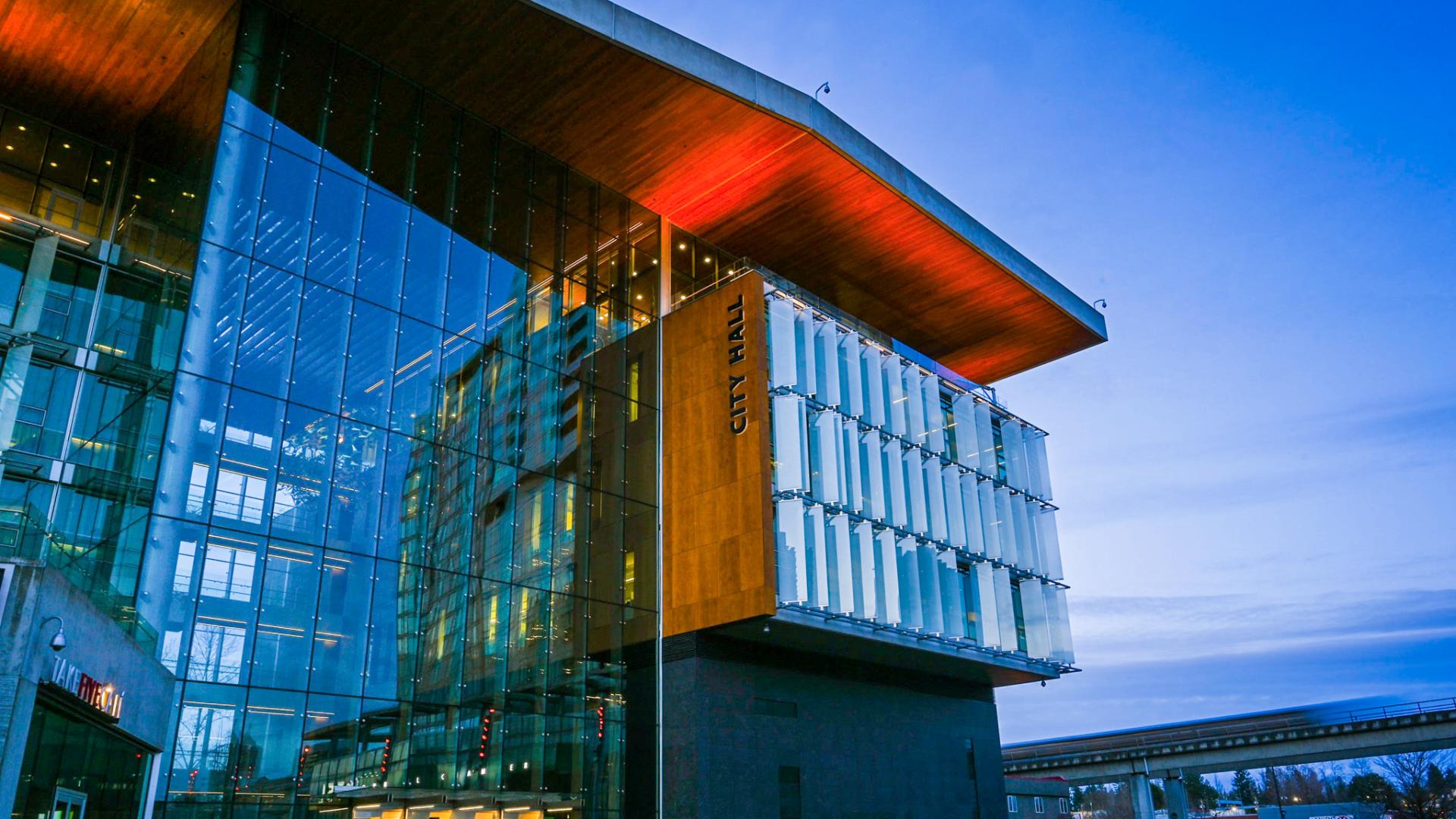
Surrey council approved an updated 2026 Development Cost Charge (DCC) bylaw in May and has submitted it to the province for approval. Once the province signs off and council gives final adoption, the new rates will take effect immediately. For residential development, the reductions land between seven and nine per cent below 2024 levels across all building types.
The specific numbers: the DCC rate for small-scale multi-unit housing (multiplexes) drops from $55,260 to $51,633 per lot. Low-rise residential goes from $33.47 to $30.72 per square foot. High-rise rates drop from $33.18 to $30.30 per square foot. According to the city, Surrey's proposed high-rise DCC is now the lowest among comparable Metro Vancouver municipalities including Coquitlam, Burnaby, and Township of Langley. Commercial and industrial DCCs are not being reduced - those are going up, as those building types do not pay park DCCs and their existing rates are already lower than residential.
The DCC reductions were made possible by a decrease in program value for Parks Acquisition and Improvements and Collector Roads, combined with increased DCC reserves.
Jay's Take:
Surrey's high-rise DCC is now the lowest among comparable Metro Vancouver municipalities - that's a real pro forma advantage. These rates still need provincial sign-off, so don't finalize your numbers until final adoption comes through.
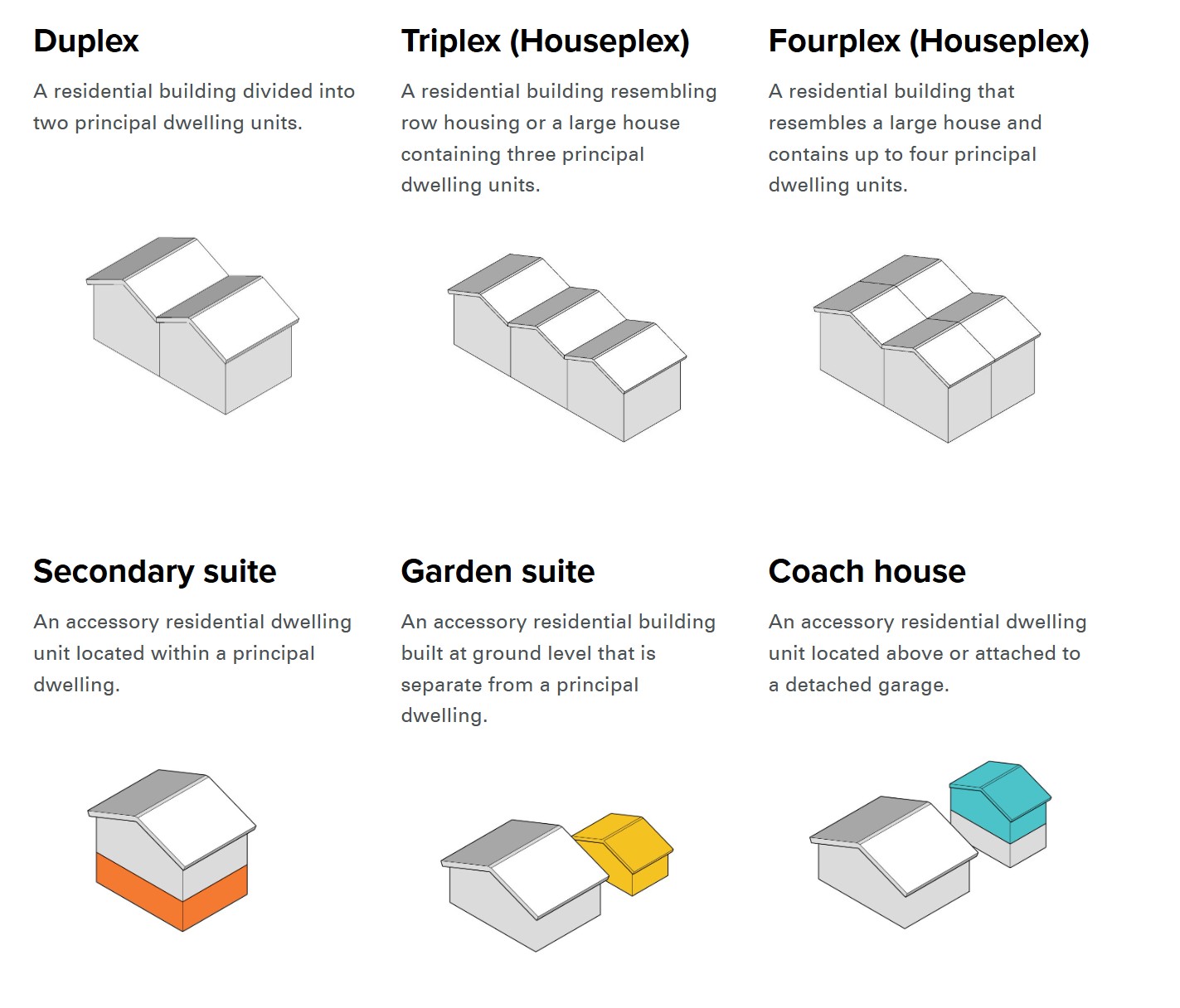
Surrey's Small-Scale Multi-Unit Housing (SSMUH) zoning came into effect in July 2024, when council adopted bylaw amendments consolidating 14 single-family zones into 9 new SSMUH zones across the city. The result: approximately 72,000 residential lots in Surrey are now eligible for multiplex development without a rezoning application.
The density allowance depends on lot size and transit proximity. On lots between 281 and 4,050 square metres, the baseline is four units. Of those 72,000 lots, approximately 13,000 - around 18% - fall within 400 metres of a frequent bus stop, where up to six units are permitted with no minimum parking requirement. As of May 2026, Surrey has approved approximately 1,200 building permits under the SSMUH framework. The updated DCC rate for SSMUH lots - $51,633 per lot, down from $55,260 - applies to new multiplex permits once the province gives final sign-off on the new bylaw.
There is a wrinkle worth flagging. On May 25, 2026, Mayor Brenda Locke brought a motion to council requesting a staff review of SSMUH's neighbourhood impacts, citing garbage pickup, single water meters per lot, street parking, emergency vehicle address identification, and strain on schools and health care. Council approved the motion. Staff are to report back with recommendations before the summer recess. No changes to Surrey's SSMUH rules have been made yet, but developers and builders active in Surrey's residential neighbourhoods should watch for this review.
Jay's Take:
If you own a single-family lot in Surrey, check your transit proximity - there's a meaningful difference between a four-unit and six-unit allowance, and neither requires rezoning. The mayor's review is worth monitoring: if staff recommend changes to servicing requirements or zoning regulations, it could affect how SSMUH projects are processed going forward.
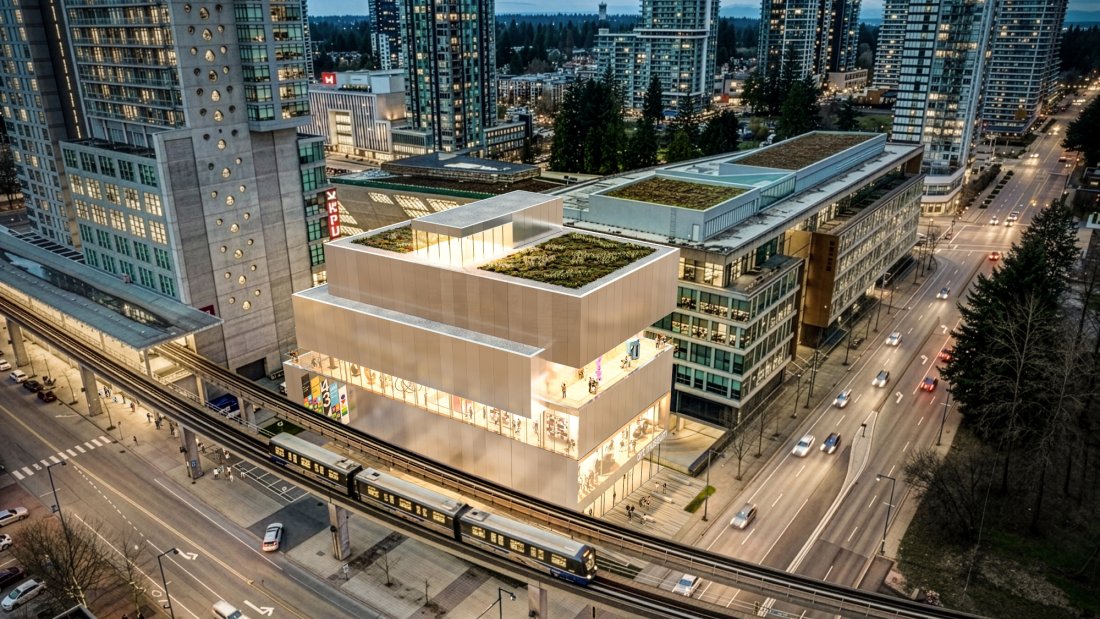
Surrey has replaced its Community Amenity Contribution (CAC) system with a new Amenity Cost Charge (ACC) program. Council adopted the ACC bylaws on June 15, 2026, with the program coming into effect on June 16, 2026 - ahead of the province's June 30 deadline. If you have a project in the pipeline, the new rates are now live.
The ACC program consists of two bylaws. The first - the ACC General Bylaw - will generate approximately $350 million over 10 years for city-wide amenities including a community centre, interactive art museum, and park features. The second - the ACC Newton Community Centre Bylaw - will generate $147 million over 30 years to fund a portion of the capital costs and interest for building the new Newton Community Centre, which replaces the existing Newton Recreation Centre. The rates are $10.58 per square foot for apartments and $6.87 per square foot for townhouses. Non-residential rates are all below $0.39 per square foot.
Coriolis Consulting Corp., retained by the city to evaluate impacts, concluded that apartment projects will generally pay less under the new ACC program than under the old CAC system. Affordable rental housing with rents at least 10% below CMHC medians qualifies for waivers: a full waiver for projects with housing agreements of 60 years or longer, and partial waivers for shorter agreements. Non-profit and public housing bodies receive a full waiver. On payment timing, 25% is payable at subdivision approval or building permit issuance, and the remaining 75% is payable at occupancy or after four years - whichever comes first.
Surrey has implemented a transition period running through June 14, 2027. Eligible in-stream applications that were underway before June 15, 2026 have two streams: Stream 1 allows projects to remain under the existing CAC framework; Stream 2 allows opting into the new ACC and Bonus Density framework.
Jay's Take:
The ACC program is live as of June 16. Apartment pro formas generally look better under ACCs than under the old CAC system. If you have an in-stream project, run both scenarios now - the Stream 1 vs. Stream 2 decision window closes June 14, 2027.
Surrey adopted as-of-right zoning for non-market rental housing in October 2025, allowing eligible non-profit developers to build without a rezoning application. The bylaw received third reading and final adoption on October 20, 2025.
To qualify, a project must be no more than six storeys (or up to eight storeys in a Tier 3 Transit-Oriented Area), owned and operated by a registered non-profit housing provider, non-profit housing co-operative, or government agency, rental tenure only with affordability secured via a housing agreement, and located on a site designated for low-rise residential in the OCP. Market-rate developers and market rental projects do not qualify.
The policy targets a documented gap. Surrey had 6,349 non-market housing units as of 2024 - 0.8 units per 100 people, compared to 1.7 per 100 people across Metro Vancouver. The BC Housing Registry Waitlist for Surrey grew 208% between 2013 and 2023, from 1,321 to 4,068 households. City staff identified the rezoning process as the primary barrier for non-profits trying to secure time-sensitive government funding, noting that uncertainty around rezoning outcomes frequently caused projects to lose funding windows to faster-moving municipalities. Surrey joins New Westminster, Victoria, Saanich, and Squamish in making this change.
Jay's Take:
If you're a non-profit or have an affordable housing component in your project, check whether the as-of-right path applies. The key criteria: OCP designation for low-rise residential and a housing agreement securing affordability and rental tenure. Skipping a full rezoning is a material improvement in timeline and cost certainty.
Surrey council gave third reading to its new Official Community Plan - Surrey 2050 - on March 9, 2026, and the draft has now moved to the Metro Vancouver board for regional context statement review. The OCP replaces the city's 2013 Official Community Plan (known as PlaySurrey 2013, adopted in 2014) and sets out Surrey's long-term growth vision to accommodate over one million residents by 2050. It covers land use, housing, employment, transportation, infrastructure, and community amenities.
Metro Vancouver's review focuses on how well the Surrey 2050 plan aligns with the regional growth strategy. Under provincial legislation, Metro Vancouver has 120 days from receipt of the Regional Context Statement to respond - a deadline that falls around mid-July 2026. If no response is made within that window, the Regional Context Statement is deemed accepted. Two councillors - Mandeep Nagra and Linda Annis - voted against the OCP at third reading. Once the Metro Vancouver board completes its review and the OCP receives final adoption, it becomes the governing framework against which all future rezoning applications in Surrey will be evaluated.
Jay's Take:
Read how your site is designated in Surrey 2050 before you commit to a pro forma or an acquisition. The broad strokes are locked in - misalignment at the OCP level is expensive to discover late.
In February, BC Housing sent Surrey a letter advising the city to "adjust housing development pace" due to provincial fiscal constraints. The consequences for Surrey's social housing pipeline are significant: 954 planned units have been either cancelled or deferred, spanning eight separate projects that include women's transitional housing, youth housing, shelter beds, supportive housing, and Indigenous housing. Two projects have been fully cancelled; six are deferred.
Mayor Brenda Locke said she is "steaming" about the situation, and has spoken directly with Premier David Eby and Housing Minister Christine Boyle without satisfactory resolution. Locke pointed out the contradiction in the province simultaneously pulling back on housing investment while imposing housing targets on municipalities. The cancelled and deferred projects represented approximately $421 million in investment.
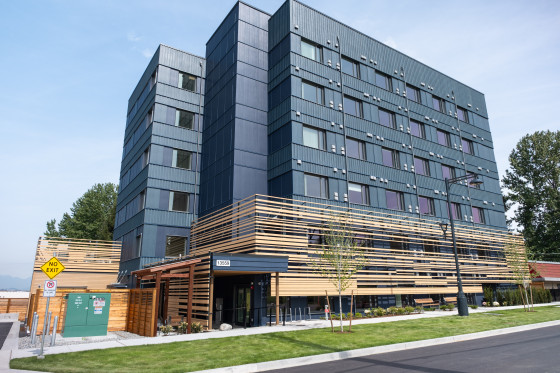
Separately, Bentley Place - a new six-storey supportive housing building at 13559 Bentley Road near Gateway SkyTrain station, with 60 homes - did open in Surrey in recent months, funded partly through a Rapid Housing Initiative grant of approximately $11.4 million and $1.8 million in city land.
Jay's Take:
If your project has a non-market component relying on a BC Housing partnership, build in more funding uncertainty than you would have a year ago. Market-rate and market-rental projects aren't directly affected.
Sources
Thinking about how these changes affect your project? Jay Jung Architect Inc. works with developers, builders, and property owners across Metro Vancouver. Reach out at jjarch.ca or email jay@jjarch.ca.


